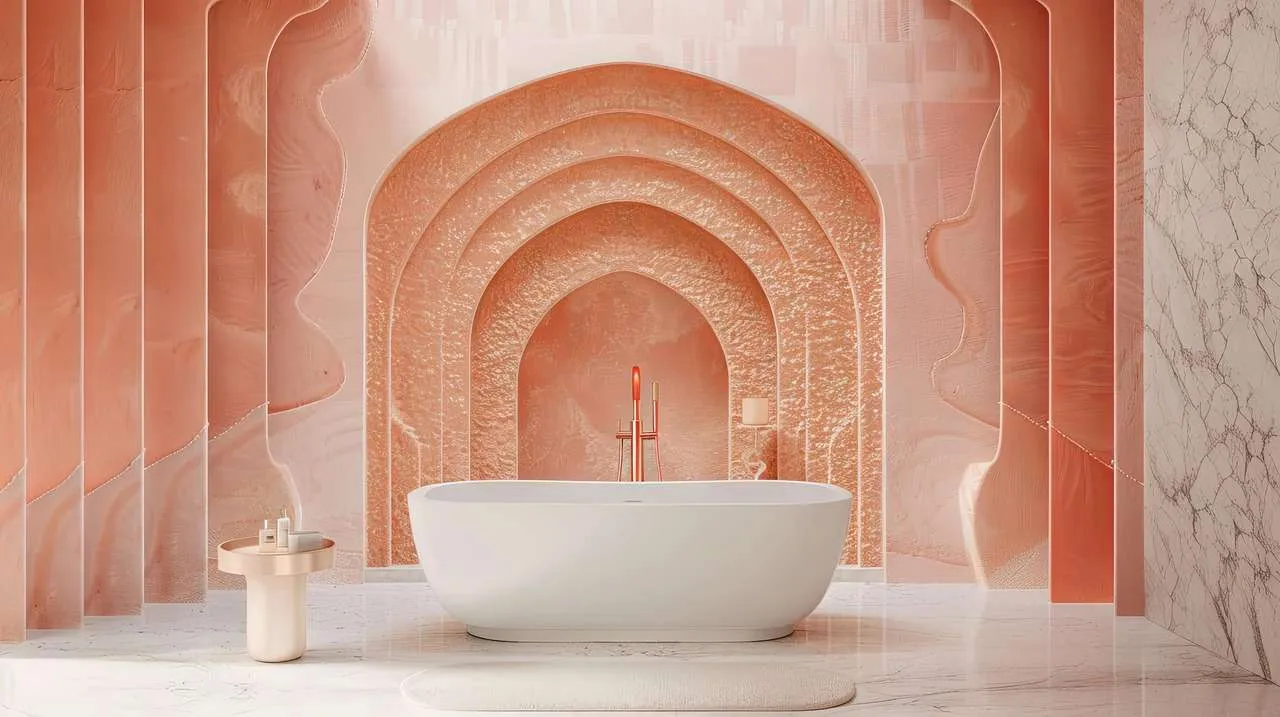
Choosing the right bathroom tile is foundational to durability, safety, and style. This guide draws on expert insights from tile installers, designers, and material science to help homeowners make informed decisions. We cover materials, installation basics, design ideas, maintenance, and budgeting—so you can achieve a resilient, beautiful bathroom.
Understanding Bathroom Tile Materials
Ceramic Tiles
Ceramic tiles are pressed clay baked and glazed. They are affordable, versatile, and easy to cut for complex layouts. For walls and light traffic floors they offer a wide range of patterns and colors. Look for grade 1 or 2 ceramic, with a slip rating suitable for floors if used there.
Porcelain Tiles
Porcelain is a dense variant of ceramic with low water absorption. It resists cracking and wear, making it suitable for floors and showers. Porcelain can be glazed or unglazed and comes in many sizes from small dots to large slabs.
Natural Stone Tiles
Natural stones such as marble, travertine, and slate bring luxury and unique veining. They require sealing, regular maintenance, and proper slope for drainage. They are best used in showers and vanity areas where moisture is managed and routine resealing is planned.
Glass Tiles
Glass tiles create light reflection and a modern feel. They come in sheets or mesh mounted mosaics. They can be used as accents or walls but are less common on floors due to slipperiness and durability concerns in busy households.
Mosaic Tiles
Mosaic tiles are small pieces that create patterns, borders, or backing for shower niches. They are often ceramic, porcelain, or glass and add texture with minimal thickness change.
Choosing the Right Tile for Your Bathroom
Selecting tile requires balancing moisture resistance, slip potential, and maintenance needs with style goals. Consider the following:
- Moisture and durability: choose porcelain or ceramic with a suitable PEI rating for floors and high humidity areas.
- Slip resistance: look for textured surfaces or higher slip ratings for floor tiles.
- Size and layout: large format tiles reduce grout lines and can make small bathrooms feel bigger; pattern layouts like herringbone add interest.
- Grout color and type: epoxy grout offers better stain resistance for showers; matching or contrasting grout changes the look.
- Maintenance: lighter colored grout shows more dirt; sealed stone requires periodic resealing.
Design Ideas and Trends
Current trends favor natural tones, large format tiles, and two tone or accented walls. Subway tiles remain timeless for backsplashes and showers. Combine wall tiles with bold floor tile for contrast, or use a single color family with different textures to add depth.
Installation Maintenance and Professional Help
Proper substrate preparation is essential. Use a cement backer board in wet areas, apply a waterproofing membrane if required, and set with a high quality thinset. Grout, seal per manufacturer recommendations, and use non staining sealants on stone. Hiring a licensed installer improves longevity and warranty coverage. Keep records of products and warranties for EEAT credibility.
Cost and Budgeting
Tile cost varies by material, size, and labor. Typical ranges per square foot before installation:
- Ceramic tile 1 to 4
- Porcelain tile 3 to 8
- Natural stone 5 to 20
- Glass tile 7 to 30
Prices can vary by region and project complexity. Request multiple quotes and verify installation standards, waterproofing, and warranty terms to ensure value and reliability.
Comparison of Common Bathroom Tile Types
| Tile Type | Pros | Cons | Best For | Typical Cost per ft2 |
|---|---|---|---|---|
| Ceramic | Affordable, wide patterns | Less durable for heavy traffic | Walls and light use floors | 1 to 4 |
| Porcelain | Dense, water resistant, durable | Can be pricier | Showers and floors | 3 to 8 |
| Natural Stone | Premium look, unique veining | Sealing and maintenance | Showers and floors in luxury baths | 5 to 20 |
| Glass | Reflects light, modern | Slippery on floors, stains show | Accent walls and backsplashes | 7 to 30 |
Conclusion
Summary: Selecting bathroom tile involves understanding moisture needs, slip resistance, and maintenance, balancing aesthetics with budget. Ceramic and porcelain offer durability and value; natural stone brings luxury with higher upkeep; glass tiles create accents but require careful cleaning. Plan substrate prep, proper grouting, and sealants to ensure a long lasting bathroom tile installation.