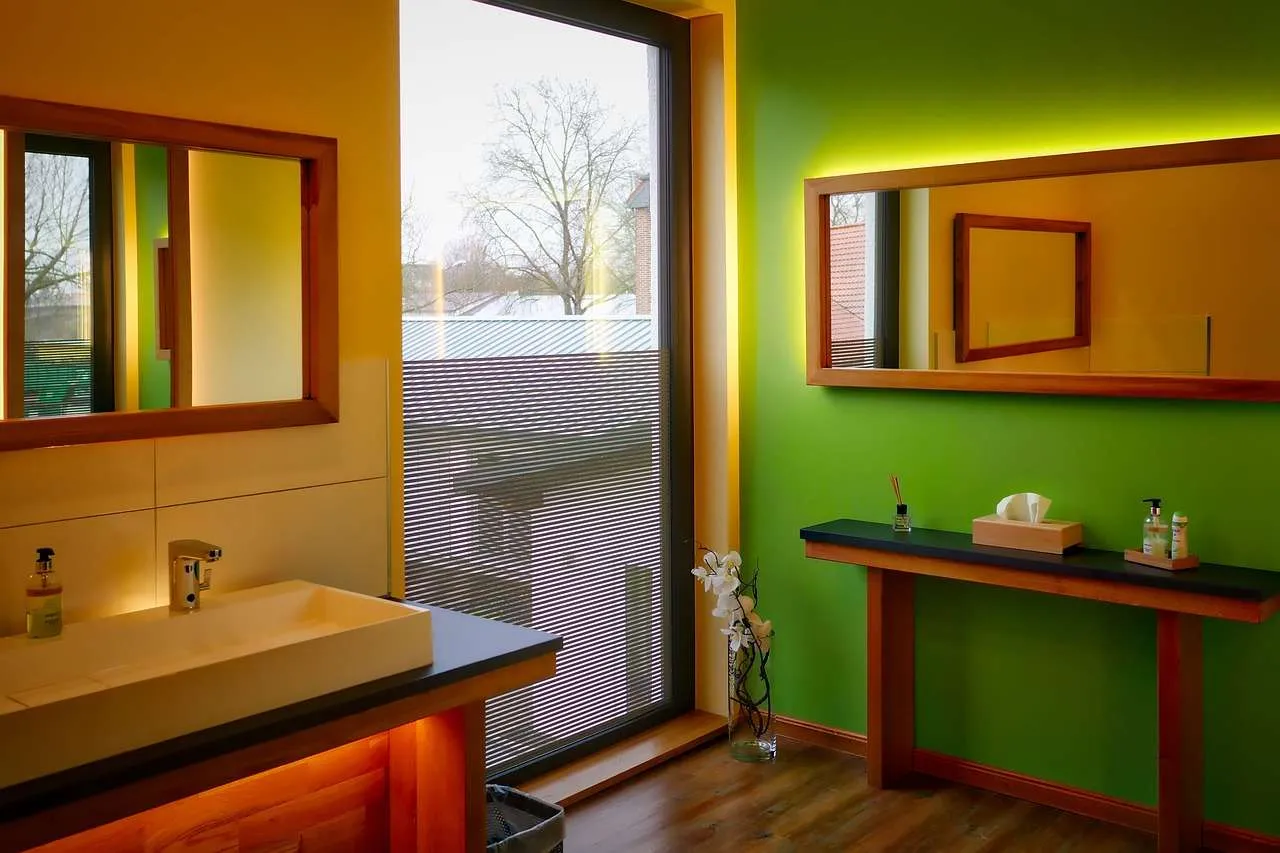
Bathroom accessories are the finishing touches that turn a functional space into a comfortable, organized sanctuary. The right pieces—towel bars, soap dispensers, vanity trays, and more—blend with your bathroom style while standing up to humidity and daily use. In this guide, we share practical expertise to help you choose durable materials, match finishes, and create a cohesive layout that supports daily routines.
Choosing bathroom accessories
Start by assessing your space, traffic, and moisture exposure. High-traffic bathrooms benefit from sturdy hardware and moisture-resistant finishes, while powder rooms may lean toward decorative elements that elevate style. Invest in pieces that coordinate with existing fixtures such as faucets and mirror frames for a unified look. Consider the long-term investment: premium materials resist tarnish, corrosion, and staining, reducing the need for frequent replacements.
Finish matters as much as form. Chrome remains a classic, while brushed nickel and matte black offer contemporary appeal. Brass and oil-rubbed bronze deliver warmth and depth, especially in traditionally styled baths. When selecting finishes, aim for a cohesive palette across towel bars, robe hooks, dispensers, and shelves. If you plan to upgrade gradually, prioritize foundational pieces like a solid towel bar and a durable toilet paper holder first.
Materials and finishes
Durability is built into the material. Stainless steel or solid brass with a protective coating stands up to humidity and cleaning agents. Ceramic and high-quality resin work well for accessories that do not require heavy load-bearing, such as soap dishes or lotion dispensers. For wooden accents, choose moisture-resistant varieties or treat wood with a marine-grade sealant. Coatings like PVD or powder coating improve wear resistance for metals and help prevent fingerprints and water spots. When possible, opt for lead-free materials and verified anti-microbial surfaces for hygiene-focused items.
Essential sets for every bathroom
Creating a practical yet stylish bathroom starts with a core set of accessories. Key items include a towel bar or rack, robe hooks, a toilet paper holder, a soap dispenser or dish, a toothbrush holder, and a vanity tray. If space allows, add a small shelf or a vanity mirror with integrated storage. Thoughtful placement matters: position towel bars within easy reach of the shower, toilet paper within arm's reach, and dispensers near the sink to minimize clutter. Choose versatile pieces that can be restyled as your tastes evolve.
Styles and trends
Modern and minimal
In modern bathrooms, clean lines and understated finishes dominate. Matte black, satin nickel, or chrome hardware pairs well with flat-front cabinets and large-format ceramic tiles. Avoid overly ornate details and prioritize wall-mounted designs to maintain a sense of openness. Hidden mounting hardware can contribute to a sleek, uncluttered aesthetic while preserving ease of cleaning.
Traditional and luxe
Traditional spaces often benefit from warm metals like brass or bronze with gentle patina. Curved silhouettes, decorative edging, and ceramic or porcelain accents can create a timeless feel. With a luxe approach, mix high-end materials such as marble trays or glass soap dispensers with vintage-inspired hooks and towel rings to evoke elegance without sacrificing practicality.
Organization and installation
Functionality should guide layout. Use vertical storage to maximize small bathrooms: towel bars and hooks on doors, shelves above the toilet, and outlet-friendly mirror cabinets for additional storage. When installing, ensure secure mounting into studs for heavy items and use appropriate wall anchors for tile or drywall. For high-moisture zones, select fasteners and seals that resist corrosion and water ingress. If you are unsure about electrical or plumbing proximity, consult a professional installer to avoid safety risks.
Maintenance is a key part of EEAT: choose easy-to-clean finishes and non-porous surfaces where possible. Wipe down metallic surfaces weekly to remove moisture and fingerprints, and use mild cleaners that do not strip protective coatings. Refinish or replace accessories that show nicks or corrosion to maintain a cohesive, high-quality appearance over time.
Comparison table: common bathroom accessory categories
| Category | Key features | Pros | Cons |
|---|---|---|---|
| Towel bar | Sturdy mounting, multiple lengths | Simple, practical; supports multiple towels | Long bars may protrude in tight spaces |
| Robe hooks | Space-saving, quick access | Easy to install; adds hooks without bulk | Some designs may snag fabrics |
| Soap dispenser | Refillable, reduces mess | Hygienic and controlled usage | Refills can be costly; pump jams if not maintained |
| Toilet paper holder | Open or closed designs | Accessible; keeps roll neat | Can run out of space on smaller fixtures |
| Toothbrush holder | Keeps brushes upright and dry | Cleans easily; helps hygiene | Plastic models may stain; metal may corrode if poor plating |
Budgeting and where to buy
Prices vary by material and finish. Plan a modest core set first and upgrade one piece at a time to fit your budget. Look for reputable brands with warranties and consider bundle options that offer coordinated finishes. Retailers that specialize in bathroom design often provide complementary installation tips and care guides. Reading customer reviews can reveal real-life performance, helping you avoid choosing pieces that look great but wear quickly.
Conclusion
Conclusion, selecting bathroom accessories is about balancing function, durability, and style. By choosing moisture-resistant materials, coordinating finishes, and practical storage solutions, you create a space that is both efficient and aesthetically cohesive. With a thoughtful plan, you can upgrade your bathroom accessories to enhance daily routines while maintaining lasting value and elegance.